
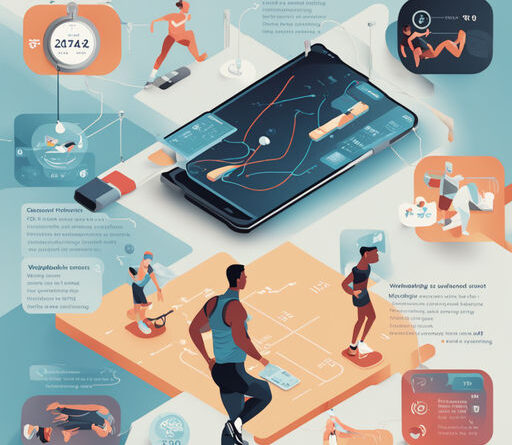
Wearable Technology in Sports
Wearable technology has revolutionized the sports industry, offering athletes and fitness enthusiasts unprecedented insights into their performance and health. From fitness trackers and smartwatches to advanced sensor-equipped clothing, wearable devices are transforming how we approach training, competition, and recovery. This blog post delves into the world of wearable technology in sports, highlighting its benefits, applications, and future trends.
The Rise of Wearable Technology in Sports
Wearable technology encompasses a range of devices designed to be worn on the body, typically embedded with sensors that collect data on various physiological and biomechanical parameters. These devices have become integral tools for athletes, coaches, and medical professionals, providing valuable information to optimize performance and prevent injuries.
Key Types of Wearable Devices
- Fitness Trackers: Fitness trackers, such as Fitbit and Garmin devices, monitor activities like steps taken, distance traveled, calories burned, and sleep patterns. They help users set goals, track progress, and maintain motivation.
- Smartwatches: Smartwatches, like the Apple Watch and Samsung Galaxy Watch, offer a wide range of features, including heart rate monitoring, GPS tracking, and workout tracking. They can also provide notifications and integrate with various fitness apps.
- Heart Rate Monitors: These devices measure heart rate in real-time, providing insights into cardiovascular health and workout intensity. Chest strap monitors, such as those from Polar, are popular for their accuracy during intense physical activities.
- GPS Trackers: GPS-enabled wearables track distance, pace, and route for outdoor activities like running, cycling, and hiking. They help athletes analyze their performance and plan training sessions.
- Smart Clothing: Equipped with embedded sensors, smart clothing measures metrics like muscle activity, respiration rate, and body temperature. Brands like Athos and Hexoskin offer smart apparel that provides detailed performance data.
- Wearable Cameras: Devices like GoPro cameras capture high-definition video from an athlete’s perspective, useful for performance analysis and sharing experiences.
Benefits of Wearable Technology in Sports
- Performance Enhancement: Wearable devices provide real-time feedback on various performance metrics, helping athletes make data-driven decisions to improve their training and performance.
- Injury Prevention: By monitoring biomechanical and physiological data, wearables can identify early signs of overtraining or improper technique, allowing for timely interventions to prevent injuries.
- Personalized Training: Wearable technology enables the creation of customized training programs based on individual performance data, ensuring that athletes train more efficiently and effectively.
- Health Monitoring: Continuous monitoring of vital signs, such as heart rate and blood oxygen levels, helps in assessing overall health and detecting potential issues early.
- Motivation and Accountability: Wearables provide measurable goals and progress tracking, keeping athletes motivated and accountable for their fitness routines.
- Enhanced Recovery: Data on sleep patterns, muscle activity, and stress levels can guide recovery strategies, ensuring athletes rest adequately and recover optimally.
Future Trends in Sports Wearables
- Advanced Biometric Sensors: Future wearables will likely feature more sophisticated sensors capable of measuring a wider range of biometrics with greater accuracy, such as hydration levels and metabolic rate.
- AI and Machine Learning: Integration of AI and machine learning algorithms will enhance data analysis, providing more precise and personalized insights for athletes.
- Augmented Reality (AR): AR-enabled wearables could provide real-time performance data overlays during training and competition, enhancing situational awareness and decision-making.
- Increased Connectivity: Wearables will become more interconnected, allowing seamless data sharing between devices, coaches, and medical professionals for comprehensive performance and health monitoring.
- Sustainable Wearables: As sustainability becomes a priority, the development of eco-friendly wearable devices using recyclable materials and energy-efficient technologies will increase.
Conclusion
Wearable technology is reshaping the landscape of sports, offering athletes powerful tools to enhance their performance, prevent injuries, and maintain optimal health. As technology continues to evolve, the potential for wearables in sports will only grow, driving innovation and transforming how we approach athletic training and competition. Embracing these advancements allows athletes to push their limits and achieve new heights in their sporting endeavors.