
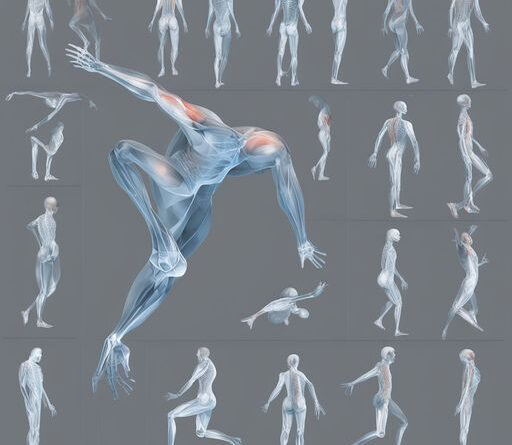
Biomechanics and Motion Analysis
Biomechanics and motion analysis are integral fields within sports science, rehabilitation, and various other disciplines. They involve the study of how the human body moves, functions, and interacts with its environment. By applying principles from physics, engineering, and biology, biomechanists and researchers gain valuable insights into human movement patterns, performance optimization, injury prevention, and rehabilitation strategies. This blog post delves into the fascinating world of biomechanics and motion analysis, exploring its applications, techniques, and impact on various aspects of human life.
Understanding Biomechanics
Biomechanics is the study of the mechanical principles governing the movement and structure of living organisms, particularly humans. It involves analyzing the forces, torques, and motions acting on the body during various activities, such as walking, running, jumping, and throwing. Biomechanics aims to understand how biological systems function and adapt to external stimuli, with implications for sports performance, injury prevention, ergonomics, and rehabilitation.
Applications of Motion Analysis
Motion analysis involves the quantitative measurement and analysis of human movement patterns using various techniques and technologies. It encompasses both kinematics, which focuses on describing motion without considering its causes, and kinetics, which involves studying the forces and torques that produce motion. Motion analysis techniques include motion capture systems, force plates, electromyography (EMG), and 3D motion analysis software.
Biomechanics in Sports
In sports, biomechanics and motion analysis play a crucial role in understanding and enhancing athletic performance. Coaches and athletes use biomechanical data to analyze technique, optimize training programs, and prevent injuries. Gait analysis, for example, helps runners improve their running mechanics and reduce the risk of overuse injuries. In team sports like basketball and soccer, biomechanical analysis can inform strategies for enhancing throwing, kicking, and jumping techniques.
Biomechanics in Rehabilitation
In rehabilitation settings, biomechanics and motion analysis aid in the assessment and treatment of musculoskeletal injuries and movement disorders. Physical therapists use motion analysis to evaluate gait abnormalities, assess joint range of motion, and track progress during rehabilitation programs. By understanding biomechanical principles, clinicians can develop targeted interventions to improve mobility, strength, and functional movement patterns.
Biomechanics in Ergonomics
Ergonomics is another field where biomechanics plays a significant role. By studying how people interact with their work environment, ergonomists design products, tools, and workspaces that optimize comfort, safety, and efficiency. Biomechanical analysis helps identify ergonomic risk factors and design solutions to prevent musculoskeletal injuries and improve workplace productivity.
Future Trends in Biomechanics
Advancements in technology, such as wearable sensors, artificial intelligence (AI), and virtual reality (VR), are driving innovation in biomechanics and motion analysis. These technologies enable more precise and comprehensive data collection, analysis, and visualization, leading to deeper insights into human movement and performance. Additionally, interdisciplinary collaborations between biomechanists, engineers, clinicians, and computer scientists are expanding the applications of biomechanics in areas like prosthetics, robotics, and human-computer interaction.
Conclusion
Biomechanics and motion analysis are powerful tools for understanding and enhancing human movement across various domains, from sports performance and rehabilitation to ergonomics and product design. By applying principles from physics, engineering, and biology, researchers and practitioners gain valuable insights into biomechanical principles, optimizing performance, preventing injuries, and improving quality of life. As technology continues to advance and interdisciplinary collaborations flourish, the future of biomechanics holds exciting possibilities for innovation and discovery.